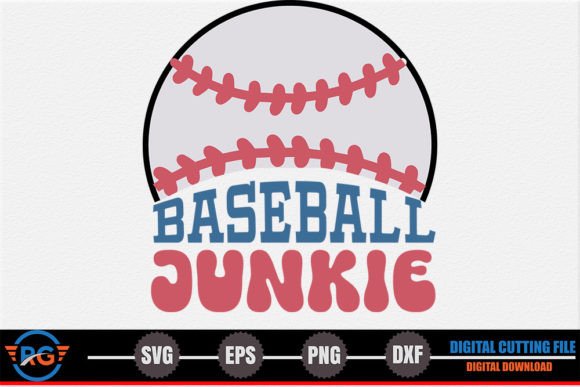
Baseball Junkie – Retro Baseball SVG
As a designer who spends more time looking at stitch density charts than actual baseball games, I approach every new digital asset with a mix of curiosity and skepticism. The market is flooded with generic sports graphics, so finding something that balances nostalgia with technical viability for embroidery is rare. When I first pulled up the Baseball Junkie – Retro Baseball SVG, my initial reaction was positive. It doesn’t scream "cheap clip art"; instead, it carries a specific mood—one of vintage Americana, worn-in leather, and classic team spirit. For anyone looking to add this to their collection of design assets, understanding how it translates from a vector screen to thread on fabric is crucial.
The Visual Personality and First Impressions
The design immediately establishes a retro aesthetic that feels authentic rather than forced. The visual personality leans heavily into mid-century sports typography and iconography. This is not just a ball; it is a stylized representation that suggests history and passion. For an embroidery project, this thematic clarity is vital. Customers don’t just buy a logo; they buy the feeling associated with it. This piece evokes the smell of grass, the crack of a bat, and the comfort of a well-loved jersey.
From a layout perspective, the composition is balanced. It avoids the cluttered look that often plagues poorly designed machine embroidery designs. The negative space is handled well, which means when we talk about digitizing or using pre-made files, the eye has somewhere to rest. This makes it incredibly versatile for various applications, from subtle chest logos on custom apparel to larger statement pieces on tote bags. The retro vibe ensures it appeals to a broad demographic, from Gen Z buyers seeking vintage aesthetics to older generations with genuine nostalgia for the sport.
Real-World Application: From Screen to Stitch
Let’s move past the pretty picture and talk about execution. I recently considered using this graphic for a small batch of personalized gifts for a local little league team. The goal was to create a cohesive brand identity for their merchandise without spending a fortune on custom digitizing. Here is how the Baseball Junkie – Retro Baseball SVG performed in practical scenarios.
Custom Apparel and Sweatshirts: This design shines on heavyweight cotton blends. The retro theme pairs naturally with heather grey or navy sweatshirts. Because the design likely relies on strong shapes, it holds up well as a sweatshirt embroidery piece. It provides enough visual weight to be seen from across the room but isn’t so large that it overwhelms the garment. For an Etsy seller, this is a high-demand niche. Parents love buying matching gear for families, and a clean, nostalgic baseball motif is an easy sell.
Tote Bags and Canvas Goods: If you are a craft business owner making canvas totes, this design offers excellent contrast potential. On natural jute or white canvas, it pops. On darker fabrics, it requires careful thread selection. The design’s structure allows for both detailed stitching and bold color blocking. It works beautifully as a standalone focal point on the front of a bag, suggesting a lifestyle of weekend markets and outdoor events.
Baby Items and Nursery Decor: Don’t overlook the soft side of sports. A smaller version of this design can be embroidered on baby onesies or burp cloths. The retro style is gentle enough for nursery decor while still being playful. It fits perfectly into the trend of "mini-me" fashion, where parents dress their toddlers in scaled-down versions of their own hobbies. As a baby embroidery piece, it needs to be simple enough to avoid bulk, which is why checking the file’s complexity is essential.
Where Caution Is Required
No design is perfect for every surface. While the Baseball Junkie – Retro Baseball SVG is robust, there are specific situations where it might struggle if not prepared correctly.
- Small Hoop Sizes: If you attempt to stitch this in a very small hoop (under 4x4 inches), fine details may disappear or merge together. Embroidery machines have limits on resolution. If the design contains tiny text or intricate stitching lines, shrinking it too much will result in a muddy, unclear image. Always test at your target size.
- Textured and Stretchy Fabrics: Knits, jerseys, and heavily textured fabrics can distort the shape of the design. Without proper stabilization, the fabric may pucker around the stitch density areas. This is particularly risky for caps or hats, where the curved surface adds another layer of difficulty. Ensure you use a cut-away stabilizer for stretchy materials to maintain integrity.
- Dense Stitch Areas: If the design uses heavy fill stitches, it can become stiff and uncomfortable, especially on garments like t-shirts or aprons that need to drape well. For a finished product to feel premium, the hand-feel matters. Avoid placing dense embroidery directly over seams or pockets where it could cause irritation.
- Dark Fabrics: Contrast is king in embroidery. On dark backgrounds, light thread colors might get lost, especially if the design relies on subtle shading. Conversely, dark threads on light fabric can look harsh if not balanced. Plan your thread colors carefully before starting the run.
Technical Considerations for Designers
Before adding this to your inventory of digital embroidery files, you must verify a few technical aspects. The product description mentions separate files in SVG, EPS, DXF, and PNG formats. This is a good sign for versatility, but it does not automatically mean the embroidery file itself is optimized.
- Check Stitch Density: Open the file in your embroidery software. Look for areas where stitches overlap excessively. High density saves time but creates bulk. Low density saves thread but risks showing the fabric through. Aim for a balance suitable for the intended fabric weight.
- Review Satin Stitches: If the design includes text or borders, check the satin stitch width. Narrow satins can break on thick threads, while wide satins can look blobby. Adjusting the stitch length and direction can improve durability, especially for items that will undergo frequent washing.
- Test in Black and White: Convert the design to grayscale in your software. This helps you see the true value contrast between different thread colors. If the design looks flat in black and white, it will likely look flat in color unless you use high-contrast threads.
- Confirm Licensing: As a commercial embroidery professional, you need to know if you can sell finished items made from this design. Some licenses allow personal use only, while others permit commercial sales up to a certain limit. Never assume; read the fine print to protect your small shop product business.
Impact on Brand and Customer Trust
Using a well-designed graphic like the Baseball Junkie – Retro Baseball SVG elevates the perceived value of your handmade products. Customers associate clean, intentional design with quality craftsmanship. When a buyer sees a crisp, well-placed logo on a tote bag or a neatly stitched patch on a cap, they trust that the maker paid attention to detail. This builds brand consistency and encourages repeat purchases.
Furthermore, the retro theme is highly shareable. In the age of social media, aesthetic appeal drives engagement. A photo of a finished personalized gift featuring this design is likely to perform well on platforms like Instagram or Pinterest. It taps into a cultural moment where vintage sports memorabilia is trending. By offering this design, you are not just selling a product; you are selling a connection to a beloved hobby.
Final Verdict
The Baseball Junkie – Retro Baseball SVG is a solid addition to any designer’s toolkit, provided you approach it with technical diligence. It offers strong visual appeal, thematic versatility, and broad market applicability. Whether you are creating a one-off personalized gift for a friend or scaling up production for an Etsy listing, this design has the potential to succeed. Just remember to test thoroughly, choose your materials wisely, and always prioritize the finish quality. When done right, the result is a professional-grade handmade product that customers will cherish.