Guinea Pig SVG Sublimation T-shirt Review
As a designer who spends more time staring at stitch density charts and fabric swatches than sleeping, I approach every new digital asset with a mix of hope and skepticism. We have all been there: downloading a file that looks perfect in the preview window, only to find it falls apart when transferred to the hoop. Today, I am evaluating the Guinea Pig SVG Sublimation T-shirt design from a practical, hands-on perspective. This is not just about how cute the subject matter is—though guinea pigs certainly have a loyal following—but whether this design actually holds up under the scrutiny of real-world embroidery production.
The product description highlights that you receive AI, EPS, SVG, and PNG files, noting that it is made with 100 vector shapes and is easy to change colors. For those of us in the crafts and graphics space, vector-based assets are the gold standard because they offer scalability without losing integrity. However, the true test for any embroidery file or sublimation print lies in its execution on physical materials. Here is my breakdown of how this design performs when moving from screen to stitch (or transfer).
First Impressions and Visual Personality
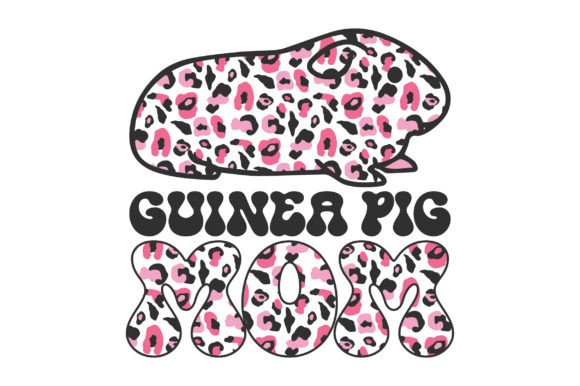
When I first opened the vector layers, the immediate mood was warm, playful, and distinctly cozy. Guinea pig designs naturally lend themselves to themes of comfort and domestic joy, which makes them incredibly versatile for specific niches. The layout appears balanced, avoiding the cluttered look that often plagues amateur designs. Because the asset is built from clean vector shapes, the lines are crisp, suggesting that the final output—whether embroidered or sublimated—will have clear definition.
For an embroidery project, visual clarity is everything. If a design relies too heavily on tiny, intricate details that disappear after stitching, it fails as a commercial product. From what I can see in the vector structure, the Guinea Pig SVG Sublimation T-shirt relies on bold outlines and distinct shape separation. This is a smart choice. It ensures that even if the thread tension varies slightly or the ink bleeds a fraction during sublimation, the core image remains recognizable. The personality here is "approachable," making it ideal for products aimed at children, animal lovers, or anyone looking for a touch of whimsy in their wardrobe.
Real-World Application Scenarios
Let’s talk about where this design truly shines. In my experience, certain motifs perform better in specific contexts. A guinea pig motif feels most at home on soft, textured fabrics that enhance the tactile nature of the subject. Imagine this design stitched onto a heavyweight cotton sweatshirt for a fall collection. The contrast between the rougher fabric texture and the smooth, defined lines of the embroidery would create a premium feel.
I also envision this working exceptionally well for personalized gift items. Consider a custom baby onesie or a nursery pillow cover. The gentle, rounded aesthetic of the design fits perfectly into nursery decor trends. It avoids being overly childish while still maintaining a sense of fun. Furthermore, for the Etsy seller or small shop owner, this design offers high versatility. You could adapt it for:
- Tote Bag Design: A sturdy canvas tote featuring this graphic becomes an instant conversation starter at farmers markets or craft fairs.
- Kitchen Towels and Aprons: The theme aligns well with homey, rustic kitchen aesthetics. Using a simple color palette like cream and brown threads could make this a bestseller in the home goods category.
- Embroidered Patch: Converting the vector art into a patch design allows customers to add character to denim jackets or backpacks, extending the life of the garment.
- Holiday Embroidery: With minor color tweaks, this design could easily fit into winter or spring-themed collections, appealing to buyers looking for unique, non-traditional holiday gifts.
Technical Considerations and Stitch Density
While the visual appeal is strong, we must address the technical side. The description mentions 100 vector shapes. While this indicates complexity and detail, it also raises questions about stitch density. In machine embroidery, too many small shapes packed closely together can lead to puckering, especially on lighter fabrics. If this design is intended for direct embroidery rather than sublimation printing, the digitizer needs to ensure that the fill stitch areas are not overly dense.
If you are planning to use this as a sublimation t-shirt design, the vector nature is a massive advantage. Sublimation requires high-resolution raster images or scalable vectors to ensure the ink penetrates the polyester fibers evenly. Since the source files include SVG and AI formats, you can scale this up to poster size or down to a small chest pocket logo without pixelation. This flexibility is crucial for digital product sellers who might want to offer mockups in various sizes.
However, a word of caution regarding machine embroidery design applications. Before committing to a full production run, you must test the design on scrap fabric. Pay close attention to the corners and any fine details. If the design includes satin stitch borders around the guinea pig, ensure they are wide enough to hold their shape. Narrow satin stitches on curved edges can sometimes distort, making the animal look misshapen. Also, consider the hoop size; if the design is large, ensure your machine can handle it without requiring re-hooping, which can lead to alignment issues.
Fabric and Thread Selection
The success of the Guinea Pig SVG Sublimation T-shirt design will largely depend on your material choices. For sublimation, you need 100% polyester or polyester-coated substrates. Natural fibers like cotton will not accept sublimation ink, so do not attempt this on organic cotton tees unless you are using a transfer paper method, which has different durability characteristics.
If you are embroidering, choose threads that complement the vector colors. High-quality rayon or polyester threads will give the design a sheen that enhances the visual depth. Avoid cheap threads that may shed or break during high-speed stitching. Additionally, always use the proper stabilizer. For stretchy fabrics like jersey knits used in t-shirts, a cut-away stabilizer is essential to prevent distortion over time. For woven fabrics, a tear-away might suffice, but testing is key.
Commercial Viability and Branding
From a business standpoint, this design hits several sweet spots for the modern maker. It is niche enough to stand out in a crowded market but broad enough to appeal to a wide audience. Animal lovers are a passionate demographic, and guinea pigs, in particular, evoke a sense of empathy and care. This emotional connection drives sales.
For commercial embroidery projects, consistency is king. The vector format ensures that every single unit produced looks identical, which builds customer trust and reinforces brand consistency. When a buyer receives a product that looks exactly like the printable mockup they saw online, they are more likely to leave positive reviews and return for future purchases.
Furthermore, the ease of changing colors mentioned in the description is a significant value-add. It allows you to quickly adapt the design for seasonal trends. A bright pastel version for Easter, a deep red and green for Christmas, or a neutral beige for everyday wear. This adaptability increases the lifespan of the asset in your design assets library, providing long-term ROI.
Final Verdict and Practical Advice
The Guinea Pig SVG Sublimation T-shirt design is a solid, versatile asset for designers and makers who appreciate clean, scalable graphics. Its strength lies in its simplicity and adaptability. It works beautifully for custom apparel, home decor, and gift items.
Before you start mass-producing, remember these final tips:
- Test First: Always run a sample on the actual fabric you plan to sell. Check for color accuracy and stitch quality.
- Check Licensing: Ensure you have the correct rights to sell finished products, especially if you are using this for small business merchandise.
- Optimize for Platform: If selling on Etsy, use high-quality photos that show the texture of the embroidery or the vibrancy of the sublimation print.
- Consider the End User: Think about how the product will be cared for. Sublimated prints are durable, but embroidery can snag. Provide clear care instructions to your customers.
In conclusion, this design is a worthy addition to any creator's toolkit. It balances charm with technical practicality, making it a reliable choice for both hobbyists and professional craft business owners. Just remember, the best designs are those that are tested, refined, and applied with care.