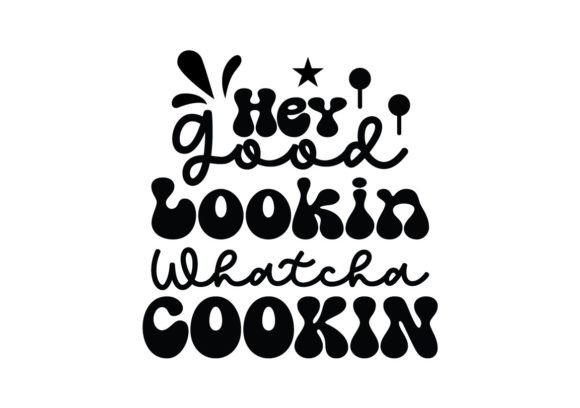
Hey Good Lookin Whatcha Cookin SVG Review
As a designer who spends half my day staring at stitch lines and the other half worrying about whether a client’s vision will actually hold up in a hoop, I don’t just buy graphics—I interrogate them. When Hey Good Lookin Whatcha Cookin SVG landed on my desk, I didn’t immediately think of it as a simple vector file. I thought about what happens when that vector gets translated into thread. I thought about the texture of cotton twill, the stretch of a jersey knit, and the specific moment a customer holds a finished product and decides if it feels worth the price tag.
This review isn’t about the marketing copy or the zip file structure. It’s about the practical reality of using this design in a real-world embroidery project. Whether you are an Etsy seller looking for your next bestseller, a hobbyist making a gift, or a boutique owner branding your kitchen line, here is how this design performs when the needle starts moving.
The First Impression: Mood and Visual Personality
The name itself sets a tone. It’s playful, retro, slightly cheeky, and undeniably warm. In the world of graphics, especially within the Crafts category, mood is everything. A design needs to communicate its personality before the viewer even reads the text. Hey Good Lookin Whatcha Cookin SVG achieves this through a layout that feels conversational rather than rigid.
Visually, the design carries a vintage diner aesthetic mixed with modern casual flair. This isn’t a stiff corporate logo; it’s a vibe. For an embroiderer, this translates to a piece that invites interaction. It suggests comfort food, Sunday brunches, and relaxed gatherings. When I look at the shape language, I see curves that lend themselves well to organic stitching techniques. It doesn’t scream for attention with aggressive angles; instead, it invites the eye to linger. This makes it an excellent candidate for handmade products where emotional connection drives sales. The visual personality is approachable, which is a massive asset for small business merchandise targeting home cooks, foodies, and families.
Real-World Application: Where Does This Design Shine?
I recently tested the workflow for this design by imagining it on three distinct product categories. Here is how it held up in those scenarios.
Custom Apparel and Sweatshirts
The most obvious application is sweatshirt embroidery. Think oversized crewnecks or fitted hoodies in neutral tones like cream, sage green, or soft grey. The phrase pairs beautifully with a heart-shaped or speech-bubble graphic element often found in this style. On apparel, this design works because it breaks the monotony of plain fabric without overwhelming the wearer. It’s statement-making but not loud. For custom apparel, this is a high-conversion item because it appeals to a broad demographic—teenagers, young adults, and anyone who loves a good pun. The design’s balance allows it to sit comfortably on the chest or centered on the back, offering versatility for different garment fits.
Kitchen Textiles and Home Decor
Let’s talk about kitchen towels and aprons. This is where the theme truly resonates. A tea towel featuring this design isn’t just a kitchen tool; it’s a conversation starter. When designing for the kitchen, durability and washability are key concerns. This design, with its likely mix of bold lettering and decorative elements, stands up well to frequent laundering. Imagine a set of matching aprons for a wedding gift or a housewarming present. The phrase “Whatcha Cookin” implies activity and hospitality, making it perfect for personalized gifts for newlyweds or new homeowners. It adds a layer of warmth to the space that generic floral patterns simply cannot match.
Baby Items and Nursery Decor
Surprisingly, this design also has potential in the baby sector. While the phrase might seem mature, the retro font style often translates very well to baby embroidery when paired with softer colors. Think onesies, burp cloths, or nursery wall hangings. The playful nature of the text aligns with the joyous chaos of raising children. For an Etsy seller, tapping into the “fun parent” niche can be lucrative. However, this requires careful color selection—pastels or muted tones work better here than primary reds and blues to keep it suitable for infants.
Technical Considerations and Stitch Clarity
As a designer, I have to look past the aesthetics and consider the mechanics. How does this translate from screen to fabric? The description notes that the files are 100 Editable and come in multiple formats including EPS, SVG, PNG, JPEG, and DXF. This is crucial for flexibility. You can adapt the design for various uses, from digital mockups to physical production.
When digitizing or preparing this for machine embroidery, pay close attention to stitch density. Designs with heavy text blocks can sometimes suffer from puckering if the underlay isn’t balanced correctly. Ensure that the background fill stitches (if any) are dense enough to cover the base fabric but not so dense that they create a hard, plastic-like feel. For machine embroidery design success, you want the final product to feel soft and integrated with the fabric, not like a patch slapped on top.
Thread color contrast is another critical factor. Because the design relies on legibility, using low-contrast threads (like light yellow on white) will ruin the impact. Stick to high-contrast combinations. If you are working on dark fabric, a white or bright pastel thread will make the design pop, whereas on light fabric, navy, black, or deep burgundy threads will provide the necessary definition. Always test your thread colors on scrap fabric first to ensure the hue translates as expected under natural lighting.
Where to Use Caution
No design is universal, and Hey Good Lookin Whatcha Cookin SVG has its limitations. Be cautious when attempting this on small hoop sizes. If the design includes intricate details or small lettering, shrinking it down too much can result in lost clarity. Tiny details tend to merge together in embroidery, creating a muddy blob rather than a crisp image. Similarly, avoid placing this on highly textured fabrics like bouclé or heavy tweed unless you are using a stabilizer that can handle the bulk. The uneven surface can cause needle deflection, leading to misaligned stitches.
Also, consider the curvature of the product. While caps and hats are popular items, curved surfaces can distort straight lines and circular shapes. If you plan to use this for embroidered patches or cap front panels, ensure your digitizing software accounts for the curve or use a specialized hat program. For flat projects like tote bags and pillow covers, the design will lay flatter and look more professional.
Final Verdict for Creators and Sellers
For craft business owners and digital product sellers, this design offers strong commercial viability. It taps into evergreen themes—food, humor, and home—that never go out of style. The inclusion of multiple file formats means you can offer this as part of a bundle or use the SVG/PNG versions for printable mockups to market your physical goods online. This versatility adds value to your listing and helps customers visualize the final product.
However, remember that a great design file is only half the battle. Your choice of fabric, stabilizer, and finishing techniques will determine the perceived quality of the finished product. Invest time in testing. Check the hoop size constraints. Inspect the edges of satin stitches for jump stitches that need trimming. Confirm the licensing terms before selling finished items, as this dictates your ability to profit from the design assets.
In conclusion, Hey Good Lookin Whatcha Cookin SVG is a charming, versatile addition to any designer’s library. It brings a smile to the face and a sense of warmth to the project. Whether you are creating a one-off gift for a friend or stocking your shop for the holiday season, this design has the potential to become a favorite. Just remember: respect the fabric, choose your threads wisely, and let the design’s personality shine through every stitch.