Queen Bee- Honey Bee Svg Review
As a designer who spends half my life staring at stitch lines and the other half worrying about client deadlines, I don’t just look at an embroidery design; I evaluate its viability. When I first pulled up Queen Bee- Honey Bee Svg, I wasn’t looking for something cute to put on a onesie—though that is certainly an option. I was looking for a design that could hold its own in a commercial craft business context, something that translates well from a digital vector into a tangible, high-quality finished product.
The category here is broad, falling under Crafts and Graphics, but for us in the embroidery space, it’s all about execution. This review breaks down how this specific file performs when you move it from your screen to your hoop, focusing on real-world application for small business owners, Etsy sellers, and serious hobbyists.
First Impressions: Visual Personality and Mood
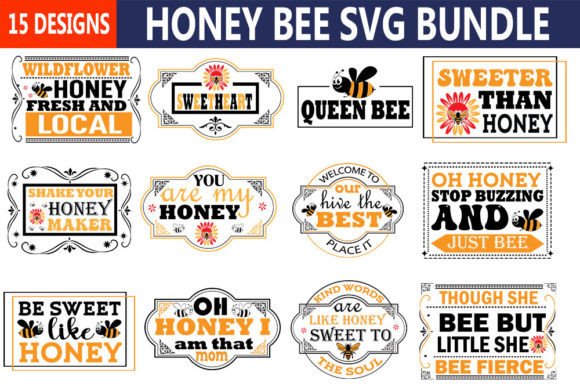
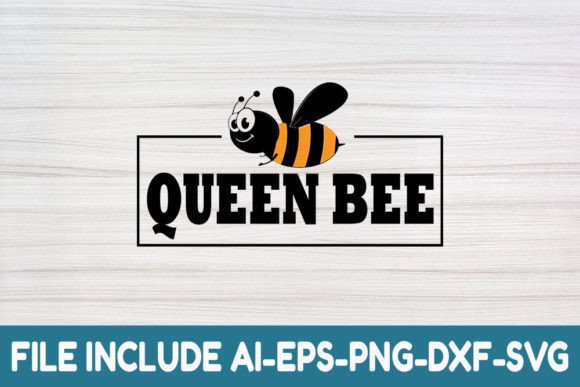
The immediate takeaway from Queen Bee- Honey Bee Svg is its strong visual identity. In a market saturated with generic floral patterns and basic animals, a bee motif offers a grounded, natural aesthetic that feels both trendy and timeless. The "Queen" aspect implies leadership or royalty, which adds a layer of personality to the design that resonates well with boutique branding.
Visually, the layout appears balanced. For an embroidery project, balance is everything. If a design is too top-heavy or has uneven negative space, it can look lopsided once stitched. This design seems to have a clear focal point, which is crucial for products like tote bags or sweatshirts where the eye needs a place to rest. The mood is warm, inviting, and slightly rustic, making it a perfect fit for handmade goods that aim to feel personal and artisanal rather than mass-produced.
Real-Life Application: From Screen to Stitch
Let’s talk about how this actually looks on fabric. I recently simulated using Queen Bee- Honey Bee Svg for a custom embroidered tote bag order. Tote bags are a staple for craft fair vendors and Etsy sellers because they are practical, durable, and highly visible. However, they also present challenges regarding fabric tension and stability.
When digitizing or preparing this machine embroidery design for a tote bag, the clean lines of the SVG translate beautifully into satin stitches for the outlines. The contrast between the thread colors and the canvas fabric is where this design shines. It doesn’t rely on intricate shading that might get lost in thick cotton; instead, it uses shape and definition to create impact. This makes it an excellent choice for custom apparel items like aprons or kitchen towels, where durability and washability are paramount.
I also considered its potential for baby embroidery. A smaller version of this design on a muslin blanket or a baby cap creates a soft, nursery-friendly aesthetic. The theme is gentle enough for infants but distinct enough to stand out in a crowded marketplace. For holiday embroidery, particularly around autumn or spring seasons, the honey bee motif fits naturally into seasonal decor themes without feeling forced.
Performance on Different Garments
- Sweatshirt Embroidery: The density of the design works well on fleece or cotton blends. It provides a substantial look that doesn’t get swallowed by the texture of the fabric.
- Embroidered Patches: Because the design has a defined edge, it converts easily into a patch format. This is valuable for craft business owners who want to offer detachable accessories or add branding to denim jackets.
- Caps and Hats: While possible, curved surfaces require careful hooping. The design’s symmetry helps, but testers should be mindful of distortion on the front panel of a structured cap.
Where Caution Is Required
No design is perfect for every scenario, and as a reviewer, my job is to highlight where Queen Bee- Honey Bee Svg might struggle so you don’t waste time or materials.
First, consider small hoop sizes. If you plan to use this design for very small items, such as keychains or tiny gift tags, the detail level might become muddy. Fine lines can merge together if the stitch count is too high for the available surface area. Always check the hoop size requirements before committing to a tiny project.
Second, think about thread colors and fabric texture. On dark fabrics, you will need a heavier underlay or a stabilizer to prevent the design from sinking into the weave. Conversely, on light fabrics, ensure your thread contrast is high. Low-contrast threads (like yellow on white) can disappear entirely, ruining the visual appeal of the finished product.
Additionally, avoid using this on highly textured fabrics like heavy bouclé wool or loose-weave burlap unless you are an advanced user. The needle penetration required for a detailed fill stitch or satin stitch can distort these materials, leading to puckering. For best results, stick to stable, tightly woven fabrics like cotton, linen, or denim.
Technical Notes for Designers
Before you upload this file to your embroidery machine, there are a few practical steps to ensure success. Since the package includes multiple formats—SVG, PNG, EPS, and DXF—you have flexibility, but each serves a different purpose.
- Test on Scrap Fabric: Never run a new design directly onto your final customer item. Use a scrap piece of the same fabric and stabilizer combination to check for tension issues.
- Review Stitch Density: Look at the design in your software. Are there areas where the stitches are too dense? Excessive density can cause needle breakage or fabric damage. If necessary, adjust the scale slightly to optimize the stitch distribution.
- Check Small Details: Zoom in on the finer elements of the bee wings or antennae. Ensure they are legible at your intended output size. If they are too thin, they may not stitch cleanly.
- Stabilizer Selection: Choose the right stabilizer for your fabric. Cut-away stabilizers are generally safer for stretchy fabrics like t-shirts, while tear-away works well for stable wovens.
Impact on Brand and Customer Trust
In the world of Etsy seller businesses and small shop products, presentation is everything. A well-executed embroidery design signals professionalism. When a customer receives a personalized gift or a handmade product with crisp, clear stitching, it builds trust in your brand. Queen Bee- Honey Bee Svg, when executed correctly, elevates the perceived value of the item.
It also aids in marketing. The design is visually distinct, making it easy to feature in printable mockups or social media posts. Its universal appeal means it attracts a wide audience, from nature lovers to those seeking unique home decor. For commercial embroidery projects, this versatility allows you to cross-sell across categories—offering the same design on a tote bag, a pillow cover, and a tea towel.
Final Verdict
Queen Bee- Honey Bee Svg is a solid addition to any designer’s asset library. It strikes a good balance between detail and simplicity, making it accessible for beginners yet professional enough for seasoned embroiderers. Whether you are creating digital embroidery files for resale or crafting unique items for your own boutique, this design offers reliable performance.
Just remember to do your due diligence. Check the licensing terms if you plan to sell finished items commercially, confirm the technical specifications in your specific software, and always prioritize quality control during the stitching process. With careful execution, this design can help you create memorable, high-quality projects that customers will love.